
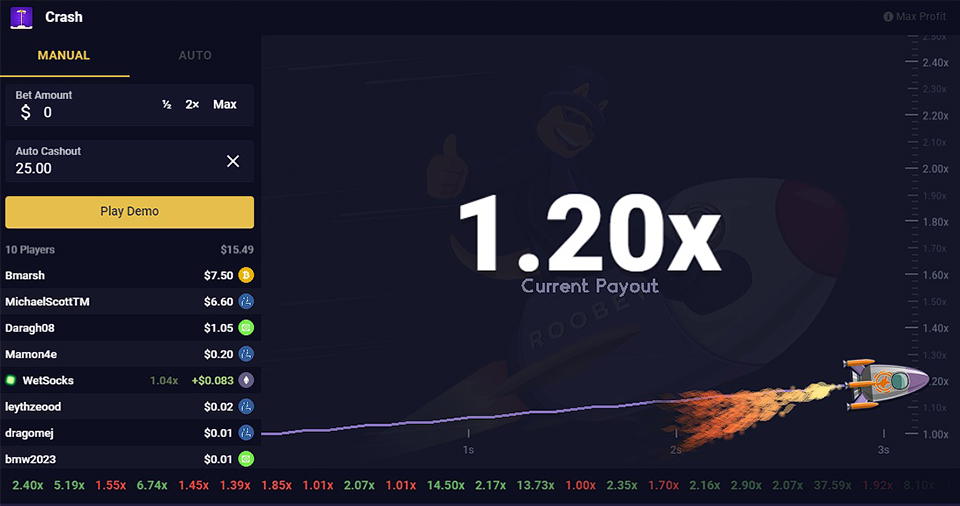
Live casino games like Cash or Crash Live possess a distinctive kind of tension https://cashorcrashcasino.eu/. One moment you are watching a multiplier climb, the next a balloon pops and the round is over. In that environment, keeping a clear head is not just useful; it is what separates a reactive player from a considered one. From what I’ve seen, the players in the UK who deal with these swings best aren’t psychic. They are just better at managing their own reactions. This is where mindfulness enters. The techniques we’ll look at are uncomplicated. They won’t guarantee a win—no strategy can do that—but they will help you stay grounded. By bringing a calmer focus to the virtual table, you can make decisions based on your plan, not your pulse.
Understanding the Attentive Player’s Upper Hand in Actual Casino Games

Attentiveness essentially means this: offering intentional, unbiased attention to the present. In a round like Cash or Crash Live, that means changing your concentration. As opposed to immersing yourself in the hunt for the next big payout, you transform into an onlooker. You observe the game, and you observe your own reactions to it. I’ve noticed that players who do this spot their spontaneous urges more quickly. That desire to multiply a bet after a loss, or the euphoric sensation that causes you to desire to give up your bankroll, becomes something you notice, not something you automatically follow. This awareness creates a real benefit. You quit being a passenger on the game’s rollercoaster and begin being the person who resolved to join the ride, with a definite concept of when to disembark. That clarity is the bedrock of sticking to a spending plan and wagering sensibly, which is fundamental to the UK’s controlled casino framework.
Employing the ‘Cash Out’ Moment as a Mindfulness Bell
That Cash Out button isn’t just a game feature. You can use it as a personal cue for a mindfulness check-in. Every time you glance at the button, or see another player cash out, let it be a signal. Use that instant to scan yourself. Is there tension in your shoulders? What’s the emotion behind the urge—nerves, excitement, greed? Just acknowledge it. This transforms a routine game action into a built-in prompt for self-awareness. It breaks the autopilot mode that can take over during long sessions. With practice, you build a habit of pausing. Your cash-out decisions become more considered, less a knee-jerk reaction to fear or euphoria. A moment of potential stress becomes a chance to reengage with your strategy.
Developing Non-Attachment to Single Round Outcomes
Games of chance and the notion of non-attachment are natural partners. This isn’t about apathy. It’s about declining to let your mood be hijacked by the outcome of a lone round. Try to see each round of Cash or Crash Live as its own closed event. When a balloon pops early, deliberately accept that outcome before the next round loads. Do a mental reset. This stops frustration from piling up. It also discourages you from building a narrative, like convincing yourself “I’m owed a win,” which only impairs your thinking. Starting fresh each time preserves your emotional balance and your bankroll. This outlook makes logical sense too, as every outcome in licensed UK games is determined by a Random Number Generator, ensuring each round is separate and fair.

Noticing Ideas and Impulses Without Reacting
A core aspect of presence is noticing your inner voice drift past without getting swept away by them. During the game, this might look like noticing the thought, “I need to win that money back instantly.” Or its opposite: “This run is never-ending, I should go all in.” The skill is in the acknowledgment. You realize, “That familiar pursuing thought again,” and you let it float by like background noise. This creates space. In that gap between the urge and your reaction, you find your decision. You can remember the restrictions you established before you logged in. This practice is powerful for keeping control. It turns a impulsive habit into a mindful decision, which is in harmony with the ethical play principles promoted by UK companies and watchdogs.
Grounding Your Awareness with the Breath While Play
When the tension mounts in a live round, your breath is always with you. It’s a ready-made anchor. My advice is to work on tuning into it, especially when the multiplier is rising and the presenter’s voice climbs with it. Don’t force it. Just notice. Is your breath shallow? Are you holding it? That basic recognition is the first step. Then, direct yourself toward one or two slower, deeper breaths. This isn’t just relaxing; it’s a direct antidote to the body’s stress chemistry. By rooting your awareness in the physical act of breathing, you establish a pocket of calm inside the excitement. It’s a trick used by snooker players and musicians alike. It stops you from being mesmerized by the screen and keeps your mind sharp enough to decide when to cash out.
The Pre-Session Preparation Ritual: Defining Your Purpose
How you set up your session matters. A short, consistent ritual before you log in makes a change. It doesn’t have to be complicated. Devote two minutes focusing on your breath. Drink a glass of water steadily, noticing the sensation. Alternatively, just state your intention out loud. Something like, “I’m wagering £20 tonight as entertainment. I’ll adhere to my boundaries.” This ritual builds a psychological buffer. It isolates the noise of your day from the focused space of the game. For UK players squeezing in a session between other commitments, that change is key. It means you reach the Cash or Crash Live session because you chose to, not because you clicked a link on a whim after a vexing correspondence.
A Post-Session Review: Evaluating Absent Criticism
Cooling off your play session properly is a practice. Take five minutes after you end the game for a objective check. Pose yourself simple questions. “How was my concentration?” “Did I stay within the limits I set?” “What was the dominant feeling during play?” The purpose is awareness, not a courtroom. If you deviated from your plan, wonder about why. Was it due to boredom? An effect to a previous win? This kind of reflection turns every session, win or lose, into useful data about your own tendencies. For the mindful player, this is how you cultivate resilience. It emphasizes the idea that you are in charge of the game as a mode of entertainment, not the other way around.
Incorporating Short Meditations into Your Gambling Routine
To make the in-game techniques easier, you can sharpen your focus away from the table. Short, guided meditations are easily accessible. Plenty of apps common in the UK offer five or ten-minute sessions on attention or managing anxiety. Try these when you’re calm, not when you’re about to play. You’re fundamentally training your brain to reach a state of calm awareness more readily. Over time, you’ll notice you can access that focused calm during a tense live round. Consider it like doing drills for your mind. An athlete trains off the pitch so their body understands what to do during the match. This daily practice strengthens all the in-the-moment skills we’ve talked about.
Developing a Sustainable and Enjoyable Gaming Approach
The true purpose of introducing mindfulness to Cash or Crash Live is to make the game more consistently enjoyable. It’s a move away from tying your enjoyment solely to the outcome—where only a win feels good. Instead, you begin to savor the process itself: the suspense of the climb, the strategy behind your cash-out points, the sheer spectacle of the live show. This mindset naturally promotes responsible play. You’re no longer gambling to cover an emotional hole or recover a loss. You’re connecting with a piece of entertainment from a place of active choice. In the UK’s online casino scene, where player safety is a priority, this mindful approach may be the most useful tool you have. It’s what maintains your leisure time feeling like just that—leisure.